



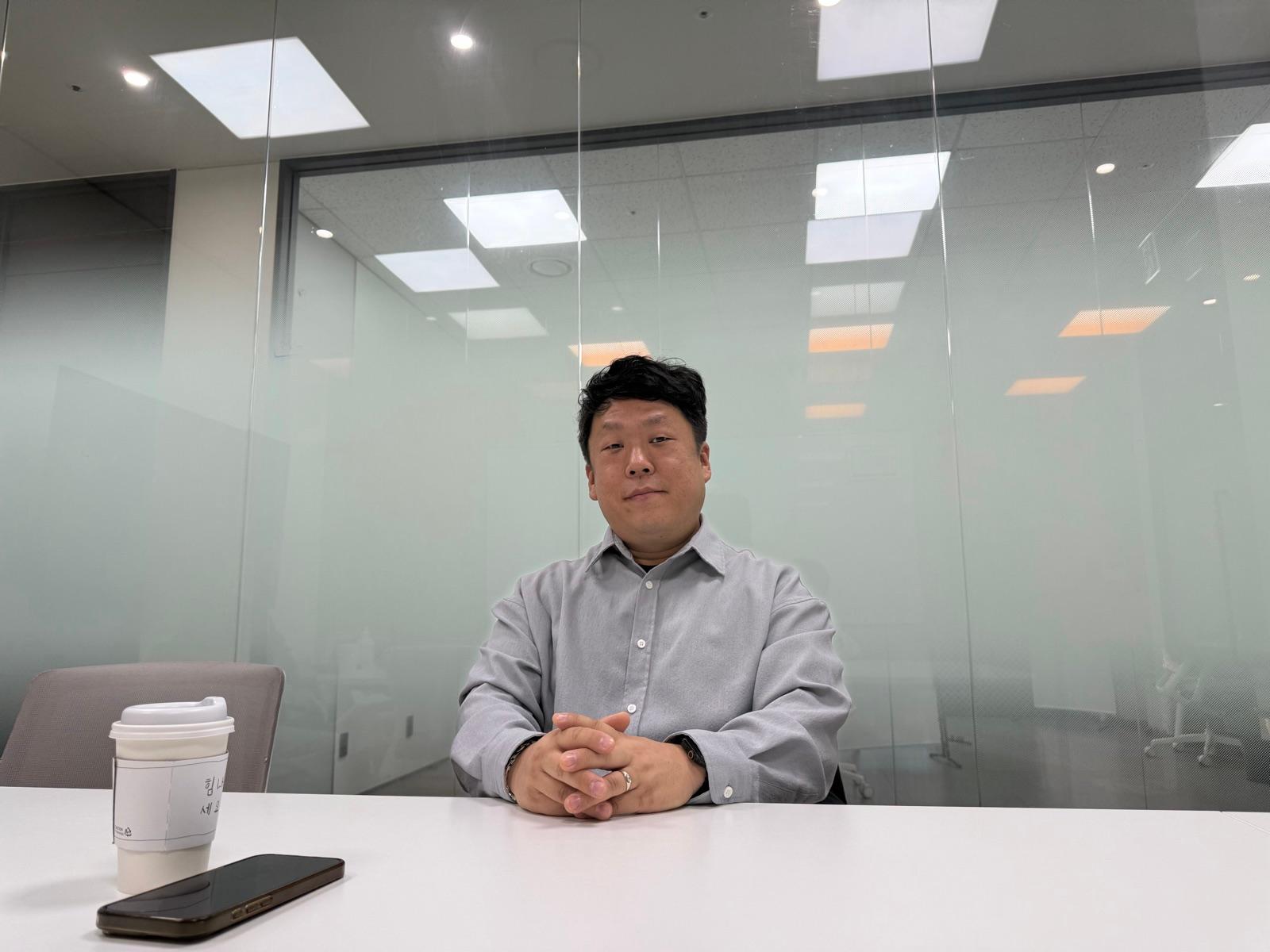
Customer interview · Vine Ministry
A full day for one Short: Vine Ministry, the charity working in Zambia
Vine Ministry digs wells to improve conditions in the remote bush of Zambia. This interview covers what the organisation is working on now and how it cut the time spent making Shorts.
November 12, 2026


One well, 1,500 people, some walking 10km
Vine Ministry is a nonprofit that digs wells in the remote areas of Zambia. Locally these areas are called the bush. The bush has no wells, and no facilities such as schools or clinics either.
Director Kim Jin-seong describes the bush as a place lacking even the elements a human life is built on. Once a well is finished, around 1,500 people come to use it, travelling anywhere from a few kilometres to 10km for clean drinking water. A child of about sixth-grade age carries a 20L container each way — work that is hard even for an adult is taken on by children there.
After the wells, Vine Ministry came to run a school as well. It started by buying around eight hectares of land in the bush of Mumbwa District and putting up a building, and volunteers came forward to teach. In 2025 the organisation signed an agreement with the Zambian government and is working toward Zambia's development.
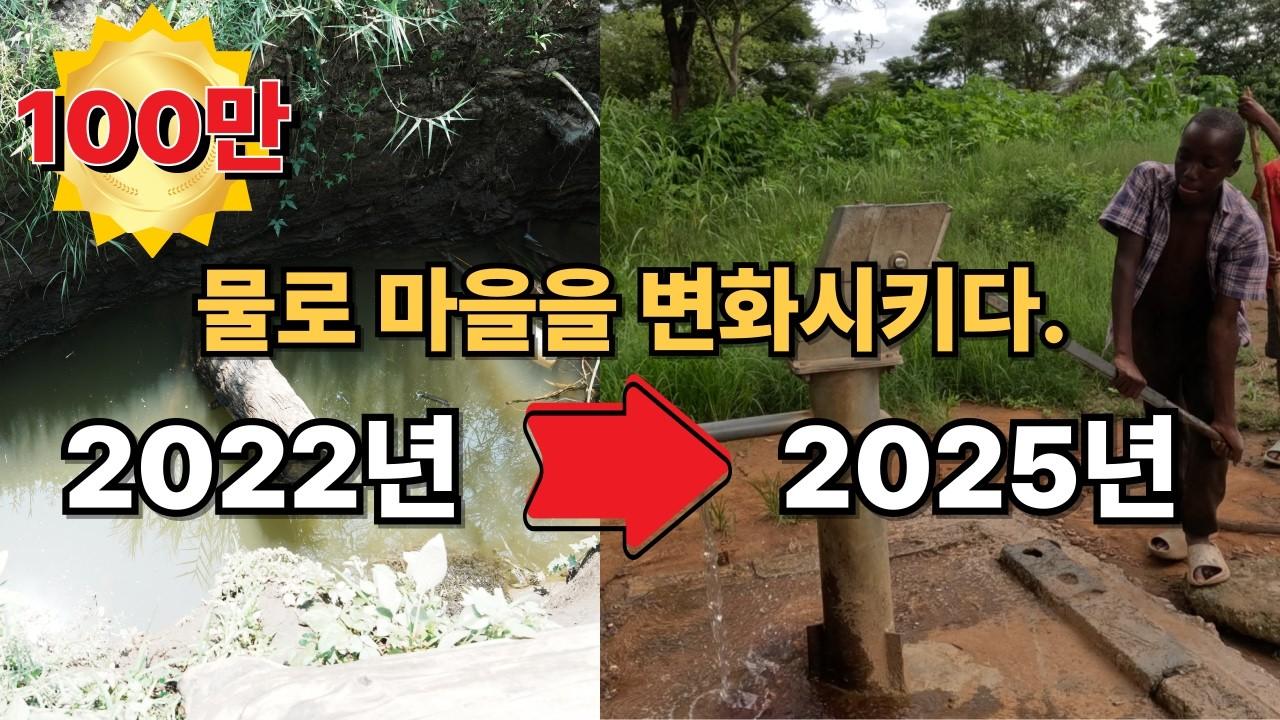
A village revisited after three years
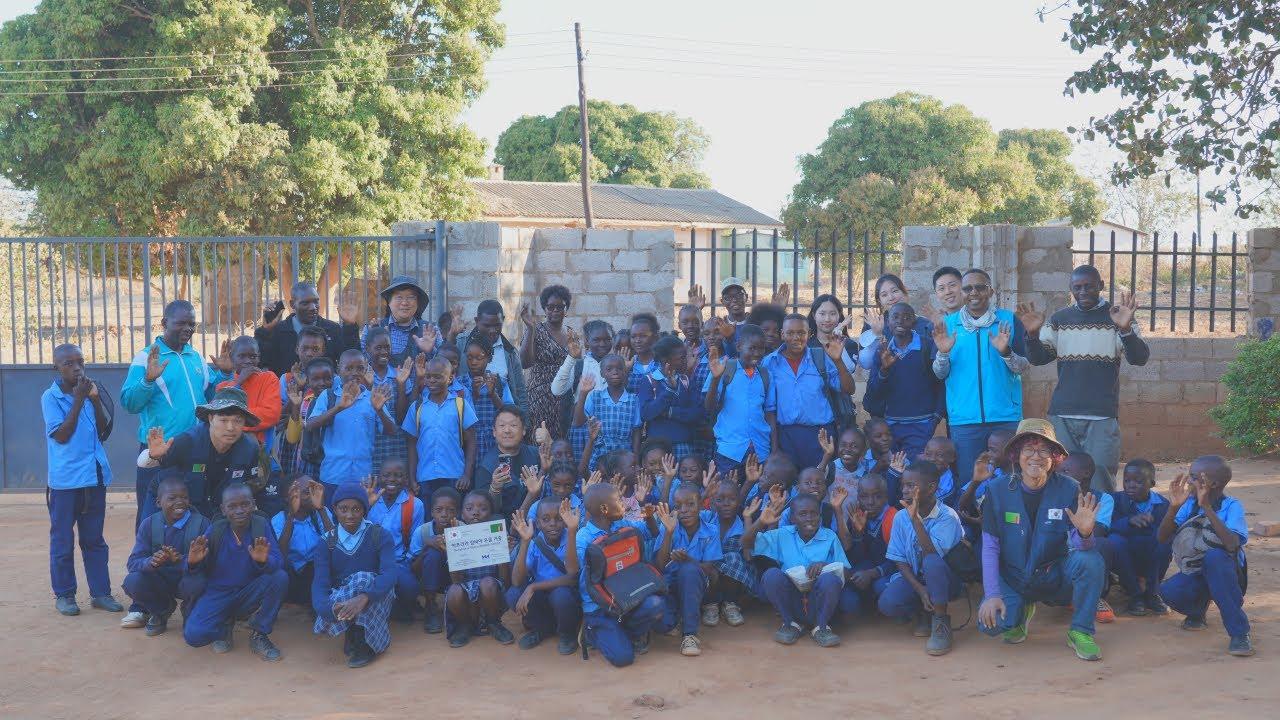
A school with 2,000 students
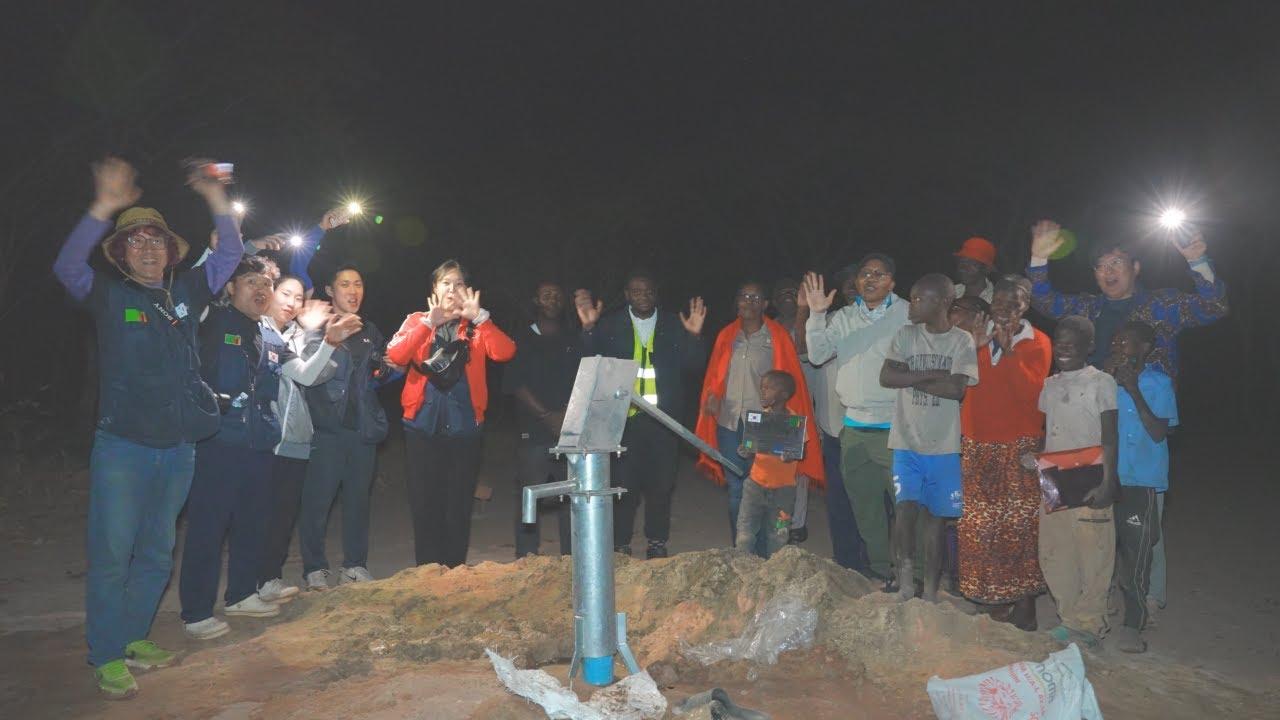
A well requested by the government
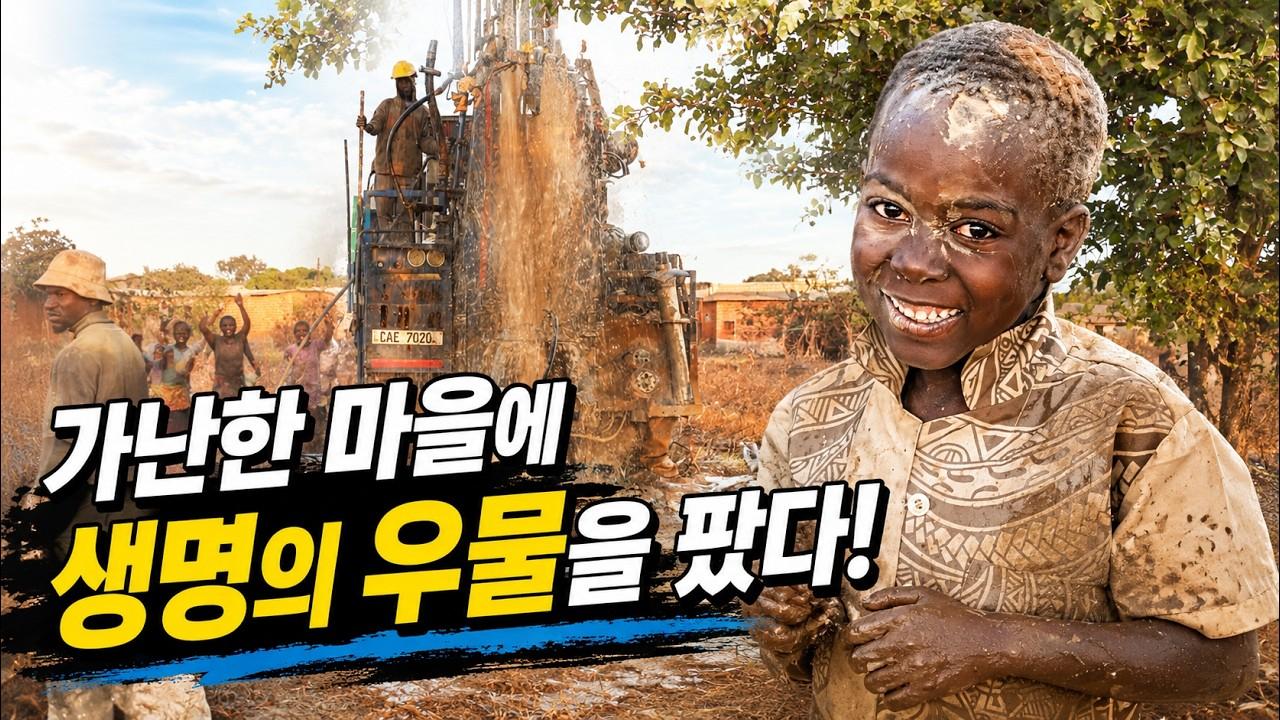
A well where resources are scarce
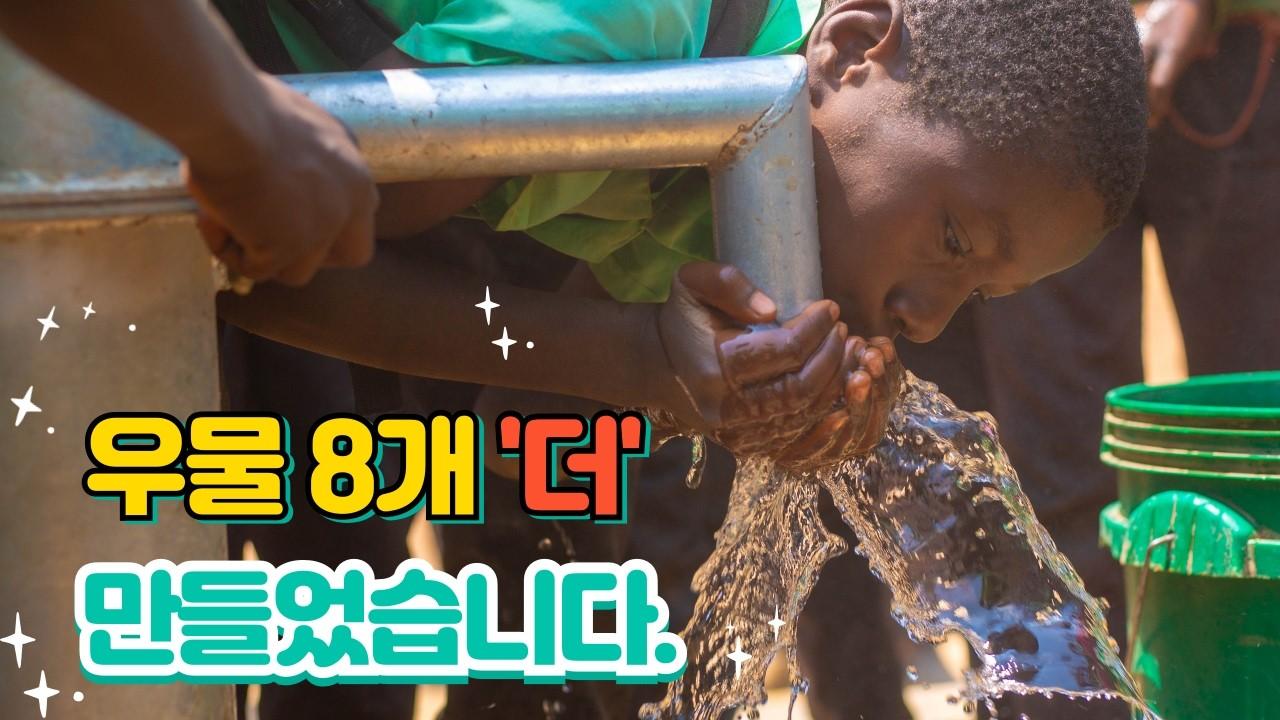
Eight more wells
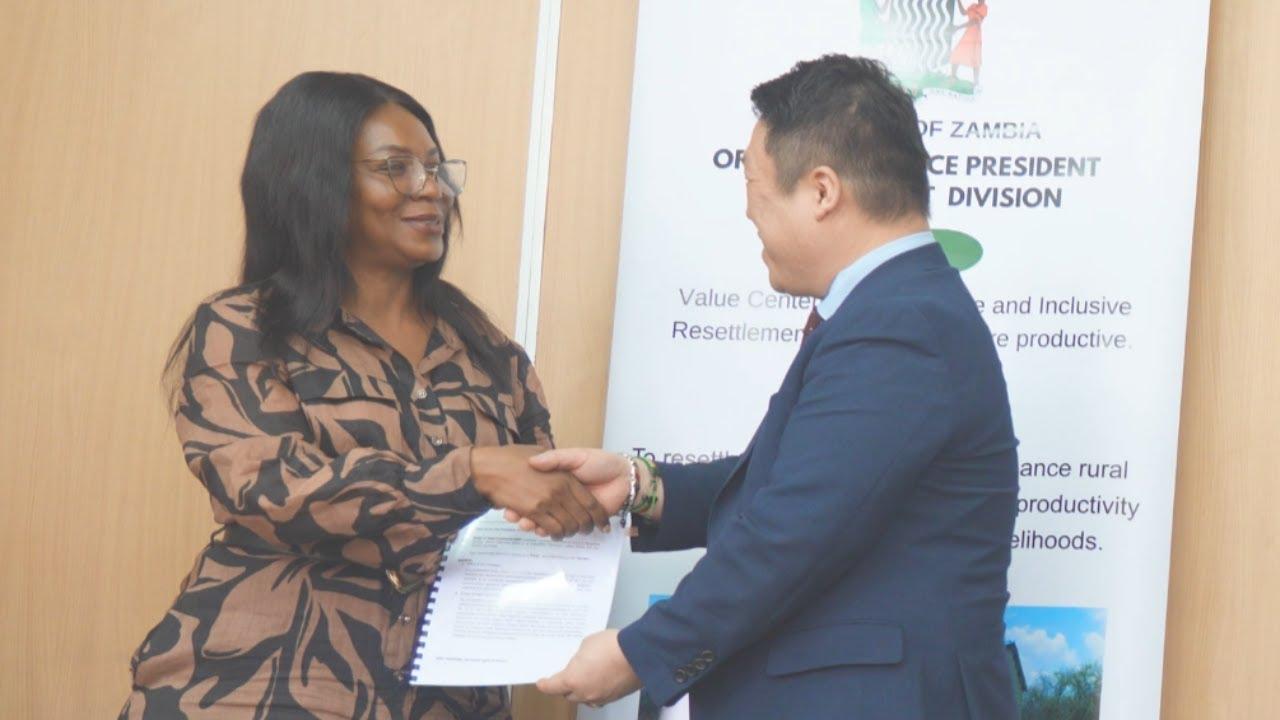
An agreement with the government
A field record that keeps the work visible
Vine Ministry opened in 2019. It began with meeting Dr. KENT KAMASUMBA, who came to Korea to study and went on to complete a master's and a doctorate at Seoul National University. Through a difficult period of settling in, Kent became part of Director Kim Jin-seong's family, and while the two planned what came next, the need for wells in Kent's home region of Zambia was the starting point.
In 2019 two Korean churches funded the well work through Kent, and as word spread and support grew and kept coming, a formal organisation became necessary. Once it existed, so did the need for a way to show sponsors and donors what the work looked like.
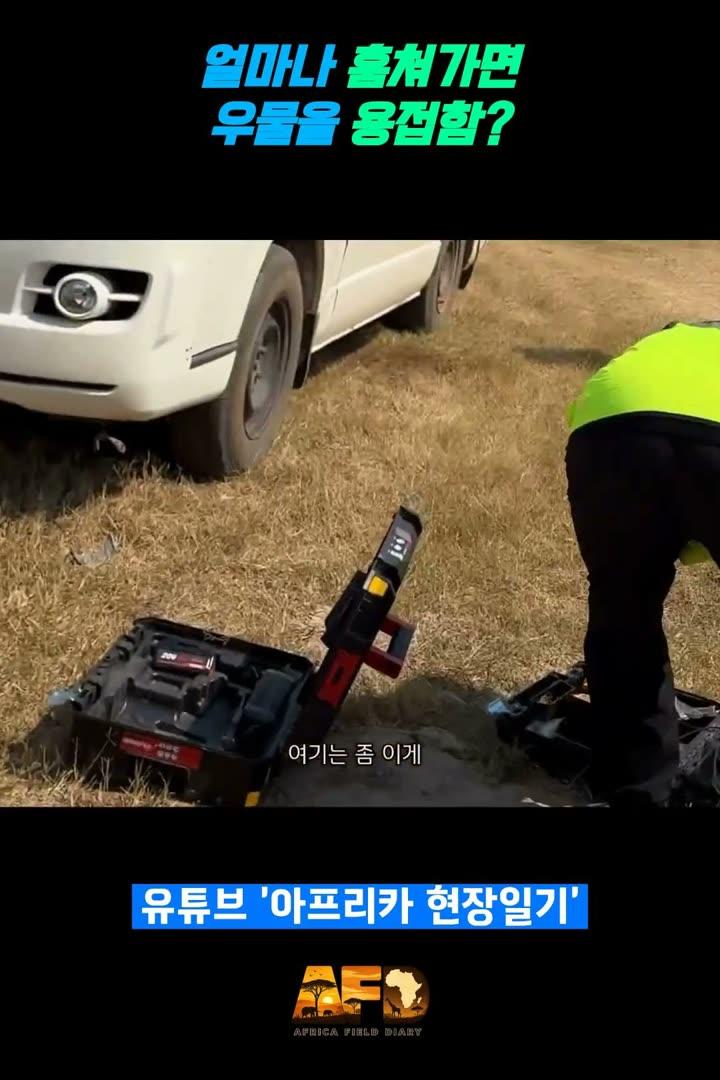
The channel was named Africa Field Diary, and it records the days spent working in Zambia.
Looking back on the day each Short used to take
The channel started as a record for reporting back to donors, then the algorithm carried it to new ones. In a long field recording, choosing where to cut, adding captions and refining the title all took a great deal of time.
Making one Short sometimes took a whole day. With a full schedule to get through, a single Short demanded a lot of energy and time.
Well work runs from mid-April to October, Zambia's dry season, and the trips to Zambia for drilling usually fall between July and October. In the rainy season vehicles sink into mud, tall grass makes moving around harder, and groundwater is more difficult to identify.
The dry months are for the drilling itself, so setting aside time to turn each day's footage into Shorts was not easy.
“At first I set aside a whole day to make one Short.”
Kim Jin-seong, Director of Vine Ministry · From the interview
Editing turned into simply choosing
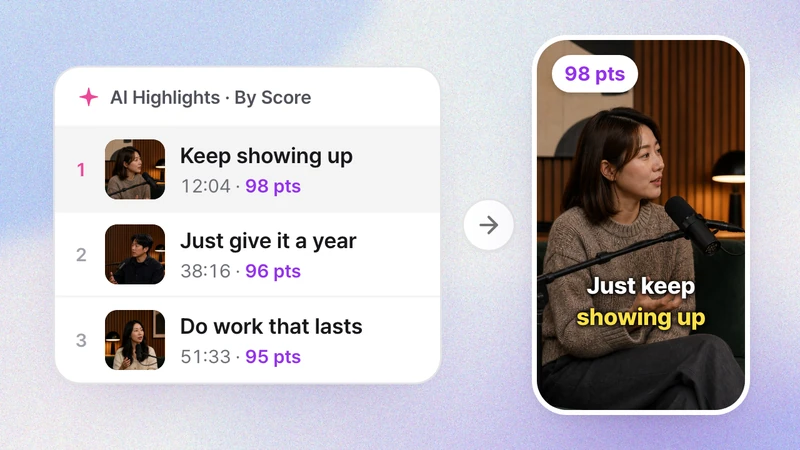
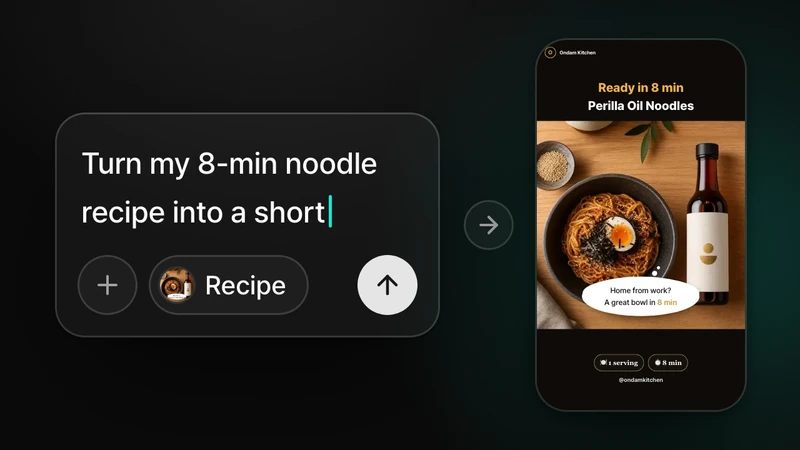
With FikaClip the nature of the editing changed. Finding the highlights in a long recording, adding captions and suggesting a title are all handled automatically.
What Director Kim Jin-seong actually does now is look at the Shorts FikaClip proposes and pick the ones that appeal.

AI Shorts generation
Finds Shorts candidates in a long video.

Shorts editor
Adjusts the chosen segment and captions.
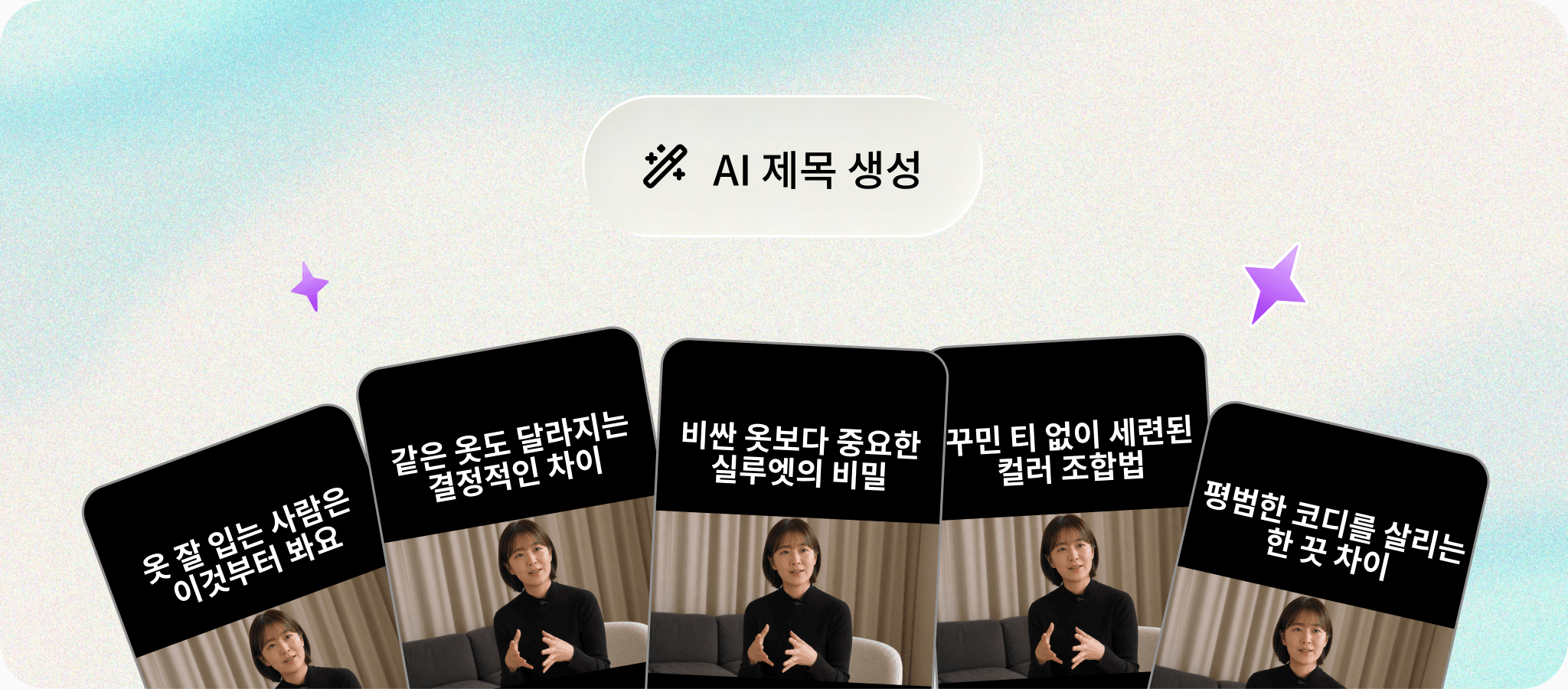
AI title generation
Suggests titles that fit the video.
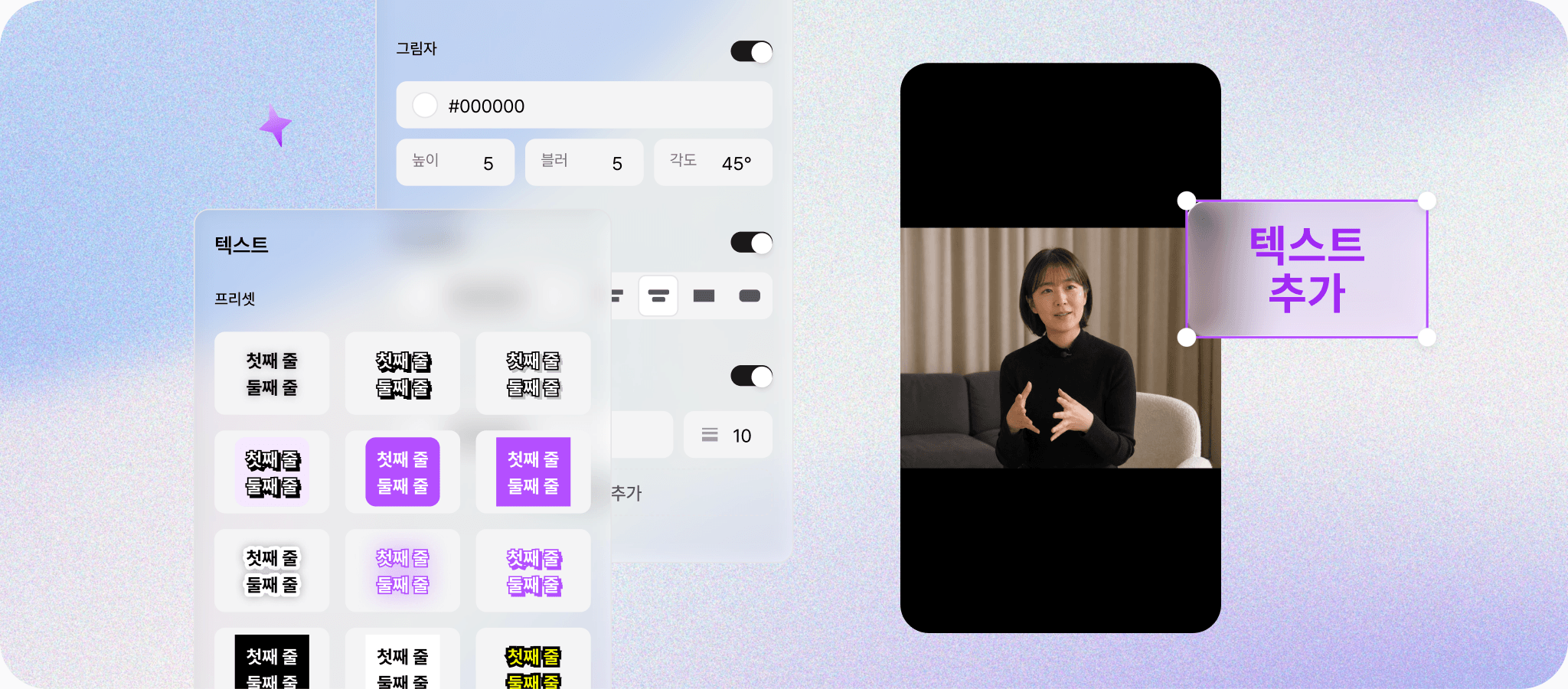
AI text design
Creates text designs for video.
Shorts put the long videos back in the light
Director Kim Jin-seong posts two or three Shorts made with FikaClip every day, starting the day after a long video goes up. Keeping that order, the director shared, often gives a stalled long video a second rise in views.
Keeping a well safe
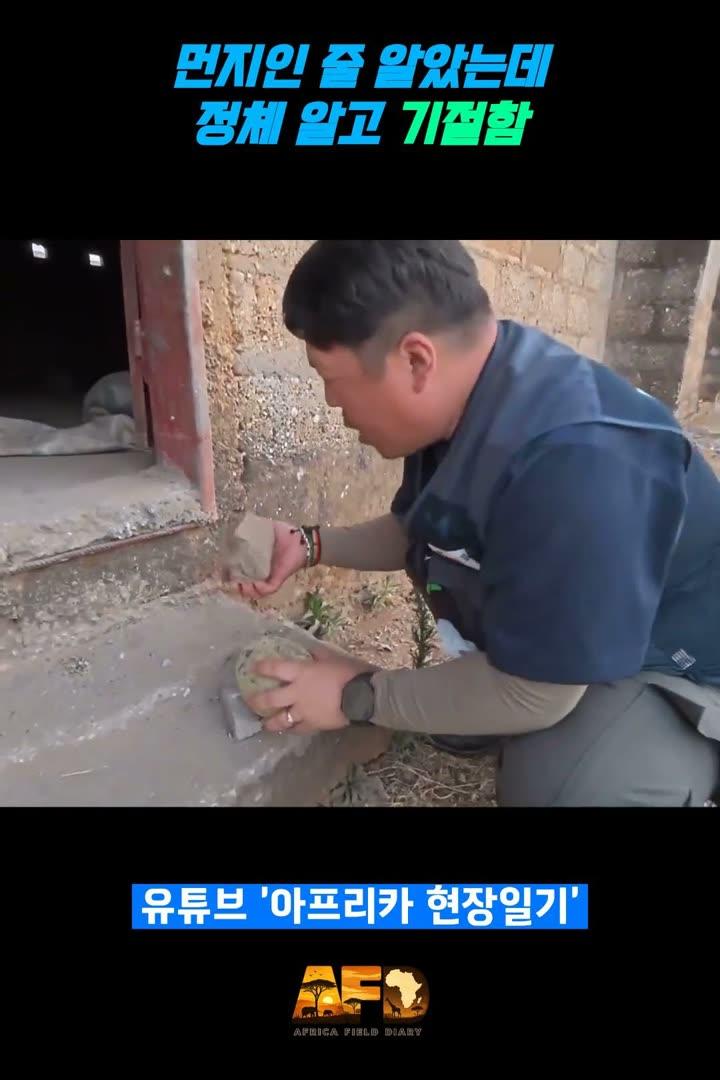
A fruit eaten locally
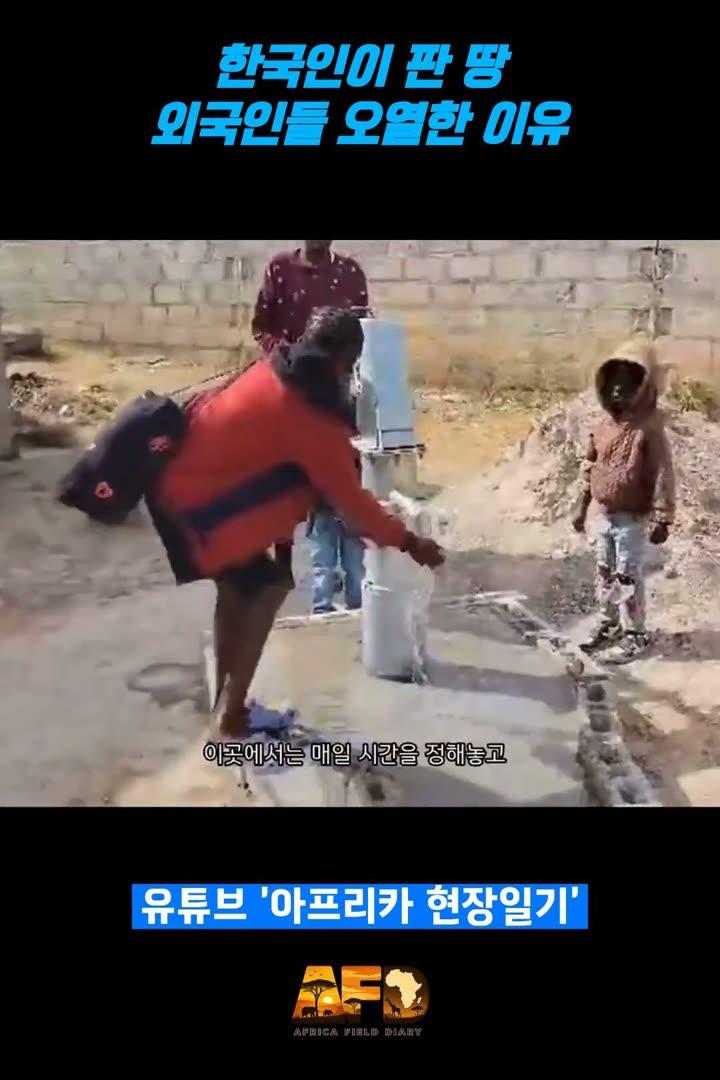
The well dug by Koreans
The videos that did well — the one past 1.2 million views, and others in the 300,000 range — appeared around the time FikaClip came into the workflow. Shorts alone cannot be said to explain it, but the connection looks clear.
The hours saved go to planning and to family
Director Kim Jin-seong said that as editing time fell, the shape of the day changed with it.
The videos on Africa Field Diary are not planned and then shot — they are the day's work in Zambia, filmed and edited as a diary, which means the footage has to be reviewed before any editing begins. Because FikaClip takes only a sliver of time to produce the Shorts, there is now room to look through the footage and think about what to make next.
What stayed with us was how brightly the director spoke about having time to play with the children again.
For anyone who needs their channel to grow
Director Kim Jin-seong warmly recommends short-form to welfare and relief organisations of a similar size. Talking with donors made it clear how many people want to give and simply do not know that the work exists.
Those people need the information before support can reach where it is needed. Long videos alone, though, no longer get in front of enough of them.
That is why, the director stressed, the reach of Shorts itself has to carry the long videos.
“A lot of people want to give but don’t know where to send it.”
Kim Jin-seong, Director of Vine Ministry · From the interview